
November 29th, 2024

Experts on global affairs convened at the Institute of International Relations to participate in the Strategic Vision Forum “Prospects of Trump’s Second Term for Asia and Regional Challenges.” The purpose of the event was to evaluate the potential implications of a second Trump administration on Asia and the region’s security, economic stability, and geopolitical dynamics. Panel discussions and expert presentations focused on the evolving U.S. policy landscape and the strategic challenges facing regional players.
The first panel titled, “Prospects of Trump’s Policies for Asia and Taiwan” included Franz Jessen, Swati Aru, and Tzeng Wei-Feng, who analyzed the expected contours of Trump’s policy toward Asia. They highlighted a likely continuation of the “America First” doctrine, characterized by reduced U.S. military commitments, intensified regional defense spending, and a transactional approach to alliances.
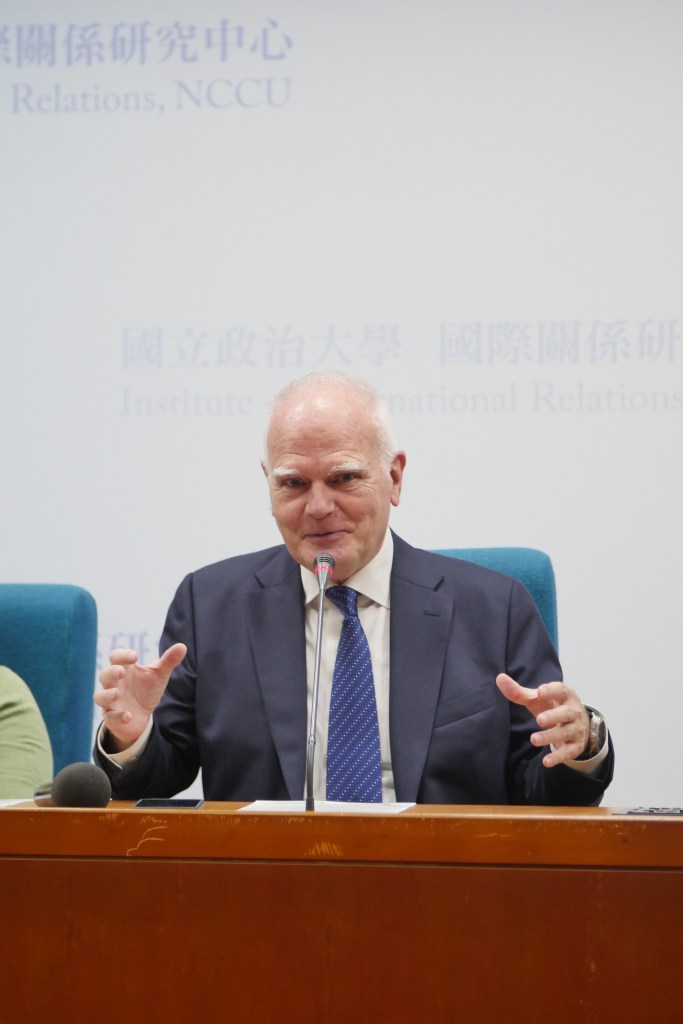
Former EU Ambassador to the Philippines and MOFA Taiwan Fellow, Franz Jessen noted Trump’s unique gravitas in international diplomacy but emphasized the need for nations to prioritize their interests amid the uncertainty of U.S. commitments.
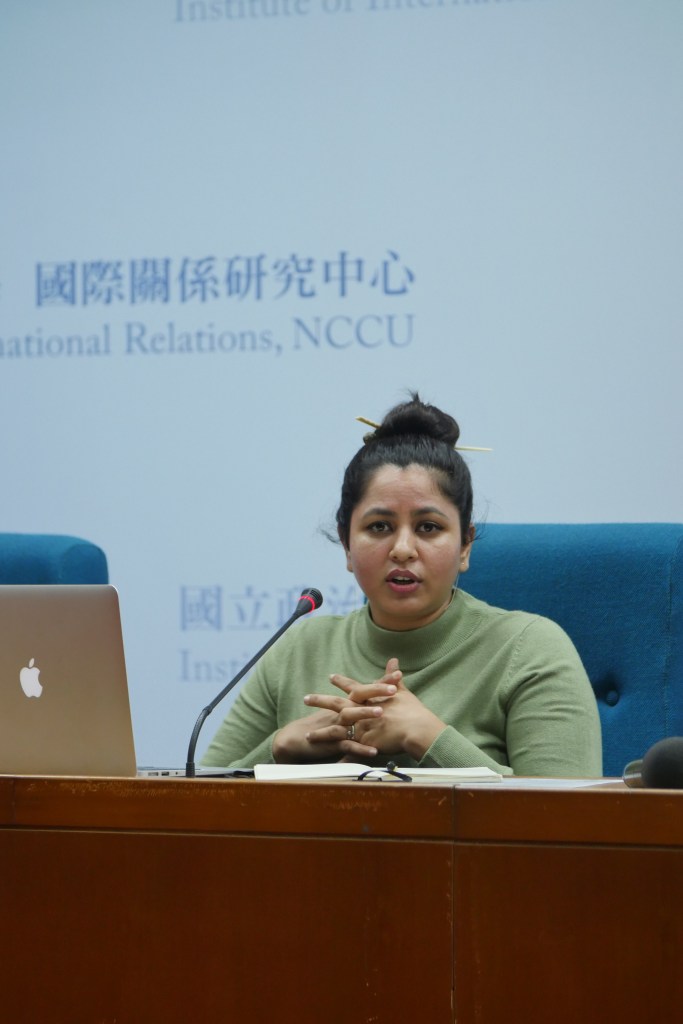
MOFA Taiwan Fellow Swati Aru explored the implications of potential shifts in Indo-Pacific strategy, emphasizing the role of Japan and India as counterweights to China’s influence and the impact of regional economic decoupling.

Associate Research Fellow Tzeng Wei-Feng of the Institute of International Relations urged Taiwan to diversify its security partnerships and reduce overreliance on the U.S. “Taiwan must build stronger regional ties and innovate its defense strategies to adapt to new geopolitical realities,” Tzeng stated.
The second panel titled, “Strategic Challenges for the Trump Administration” examined the complexities of strategic ambiguity and heightened tensions in the Taiwan Strait under Trump’s leadership.

Prof. Wang Kuan-Hsiung of the Graduate Institute of Political Science, National Taiwan Normal University, analyzed the role of Freedom of Navigation Operations (FONOPs) in East and South China Seas as a continued strategy to counterbalance China’s influence.

MOFA Taiwan Fellow Aaron Jed Rabena highlighted Trump’s nuanced approach to the South China Sea and the importance of U.S.-Philippines relations as a linchpin in regional security.

Deputy Director Richard Hu of the Taiwan Center for Security Studies discussed the potential use of economic sanctions and strategic ambiguity as tools in U.S. policy toward Taiwan, warning of increased transactionalism in alliances.
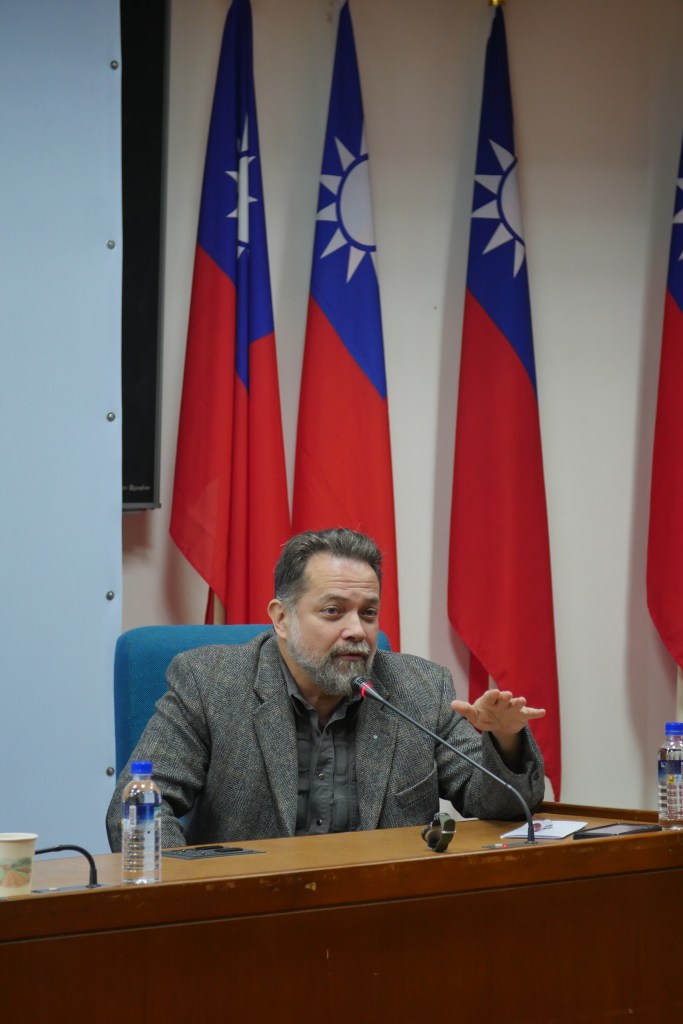
Editor-at-large of Strategic Vision, Dean Karalekas, advocated for “Taiwan First” policies to strengthen resilience, while Prof. Chen Wei-Hua of Central Policy University highlighted the importance of asymmetric defense capabilities and regional security networks.
The forum underscored the critical need for regional cooperation and innovation in navigating the uncertainties posed by shifting U.S. policies. Participants agreed that Taiwan and its neighbors must develop comprehensive strategies to balance economic and security priorities while mitigating risks in the evolving geopolitical landscape.
 Taiwan Center for Security Studies